
 finnitya
Alumni merupakah sebuah istilah untuk lulusan perguruan tinggi atau universitas. Karena jumlah orang yang menyelesaikan studinya sangat besar dan tumbuh secara eksponensial, menjaga daftar alumni
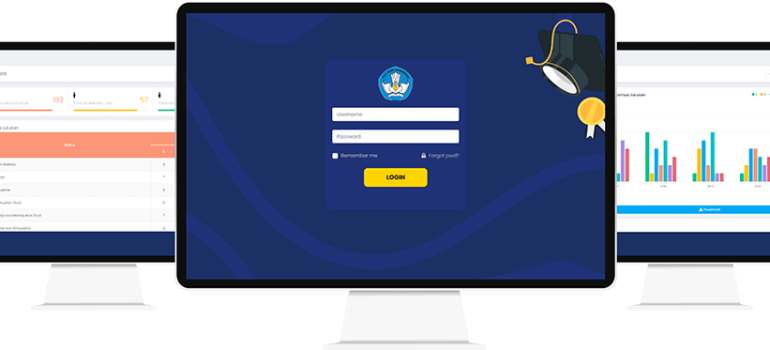
Sejumlah institusi saat ini memindahkan departemen manajemen hubungan alumni dari platform konvensional seperti lembar Excel, Formulir Google, dan MailChimp ke bentuk lanjutan dari solusi Perangkat

7 Cara Melibatkan Alumni Anda Dengan Perangkat Lunak Manajemen Alumni – Apa itu manajemen hubungan alumni? Manajemen hubungan alumni merupakan inti dari program pengembangan yang efektif,

8 Tips Praktis memilih Perangkat Lunak Manajemen Alumni Terbaik – Menemukan pengganti untuk mempertahankan catatan alumni menggunakan lembar excel konvensional sering kali menjadi fokus utama

Lengkapnya Fitur dan Gampangnya Akses Bermain di Situs Slot – Slot saat ini sudah lebih banyak dimainkan secara online. Terutama di beberapa wilayah yang memang sulit untuk menemukan judi ini,
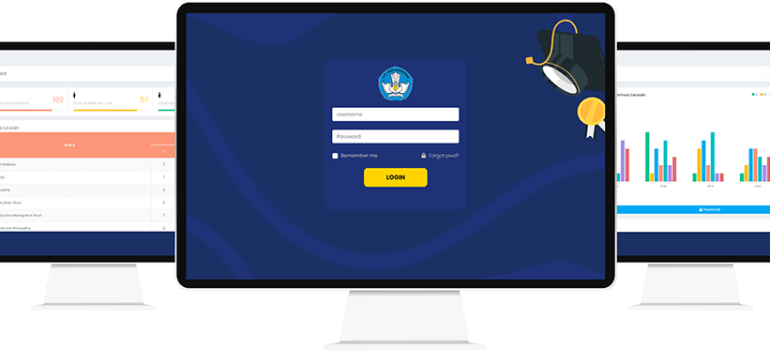
Mengapa Sistem Manajemen Alumni Vibrant dapat Membantu Memecahkan Masalah Pendidikan? – Sistem Manajemen Alumni digunakan untuk mengelola hubungan dengan mahasiswa Perguruan Tinggi yang telah

5 Cara Untuk Meningkatkan Keterlibatan Alumni – Nilai jaringan komunitas online Anda jauh melampaui kontribusi keuangan, dan membangun nilai bagi alumni Anda adalah kunci untuk memelihara

Software Manajemen Alumni Terbaik untuk Windows – Setelah siswa lulus dari almamater mereka, beberapa mengingat kembali ingatan mereka dan merasakan hubungan yang melekat dengan sekolah mereka.

Mengapa Software Manajemen Alumni Meningkatkan Budaya Dan Produktivitas? – Departemen SDM di seluruh dunia dapat memperoleh manfaat dari melakukan investasi jangka panjang yang disengaja dalam

Perangkat Lunak Manajemen Alumni: 5 Terbaik untuk Digunakan di 2023 – Alumni adalah istilah yang digunakan untuk mewakili orang yang merupakan lulusan perguruan tinggi atau universitas. Karena


Pilihan Perangkat Lunak Manajemen Alumni Teratas – Bila Anda ingin habiskan lebih beberapa waktu untuk turut serta dengan alumni dan semakin sedikit waktu untuk bermasalah dengan spreadsheet,
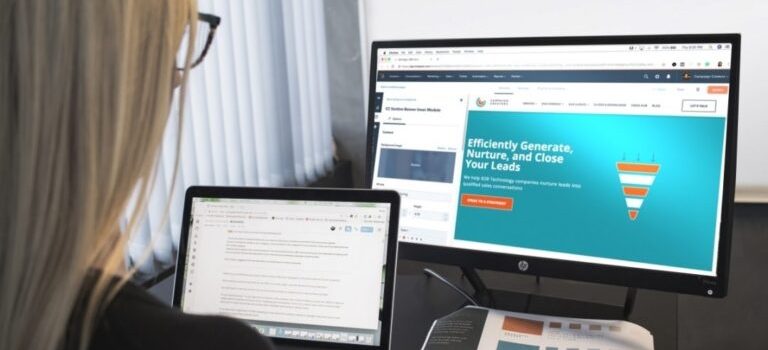
Software Manajemen Alumni Bagi Kamu Para ALUMNI – Perangkat lunak manajemen alumni membantu perguruan tinggi dan administrator universitas dengan mudah memelihara informasi kontak alumni,
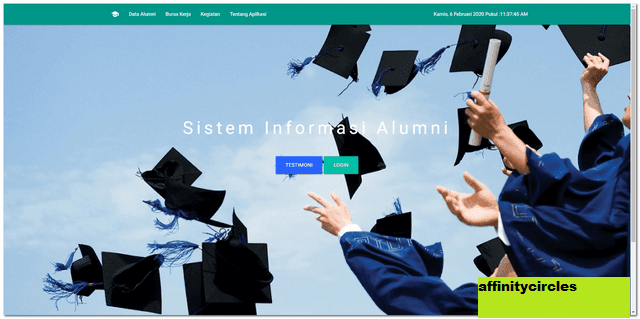
Panduan Memilih Software Manajemen Alumni yang Tepat – Jika Anda mencari platform yang kuat untuk melayani dan menghubungkan komunitas alumni Anda, inilah cara menemukan perangkat lunak yang
8 Pilihan Perangkat Lunak Manajemen Alumni 2023 – Jika Anda ingin menghabiskan lebih banyak waktu untuk terlibat dengan alumni dan lebih sedikit waktu untuk berurusan dengan spreadsheet,
4 Software Intranet Sosial dan Perusahaan Terbaik – Ingat, ada banyak solusi perangkat lunak intranet di pasaran. Pada akhirnya, persyaratan perusahaan Anda menentukan solusi mana yang tepat.

6 Cara Teratas untuk Menjaga Alumni Tetap Terlibat – Ini tentang keterlibatan yang konsisten, relevan, dan tepat waktu sepanjang tahun bukan hanya saat Anda membutuhkan mereka untuk
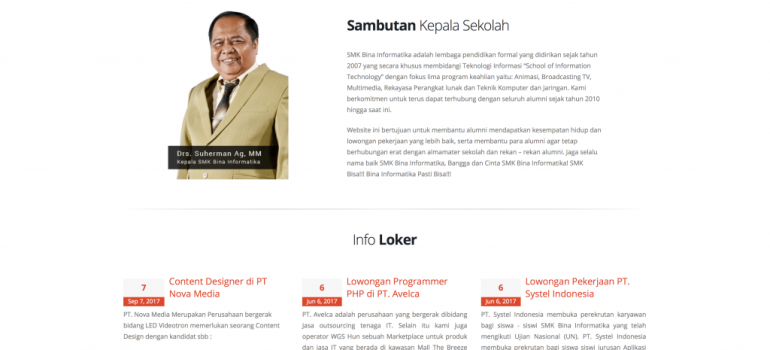
6 Situs Web Alumni Terbaik – Dengan COVID-19 mengirim mahasiswa pulang lebih awal, sekolah kehilangan titik kontak penting untuk membangun hubungan dengan alumni saat kelulusan dan para senior
7 Alasan Mengapa Kantor Alumni Harus Memiliki Aplikasi Seluler Alumni – Di era digital ini, ada aplikasi seluler untuk segalanya – makanan, pakaian, elektronik, dan dekorasi rumah. Google

Sekilas tentang Manajemen Alumni – Manajemen alumni adalah proses yang digunakan universitas dan perguruan tinggi untuk terhubung dan terlibat dengan alumni. Membangun hubungan yang bermakna
Sistem Pelacakan Alumni Berbasis Web menggunakan PHP dengan Source Code dan Dokumentasi – Proyek Aplikasi Web ini bernama Web Based Alumni Tracking System. Ini adalah proyek kami selama Tahun